
Just Listed: Beautifully Renovated Home for Sale in Barberton, OhioIf you're searching for a move-in ready home in Barberton, Ohio, you'll want to take a look at my newest listing at 353 3rd St NW.
Dated: May 29 2024
Views: 142
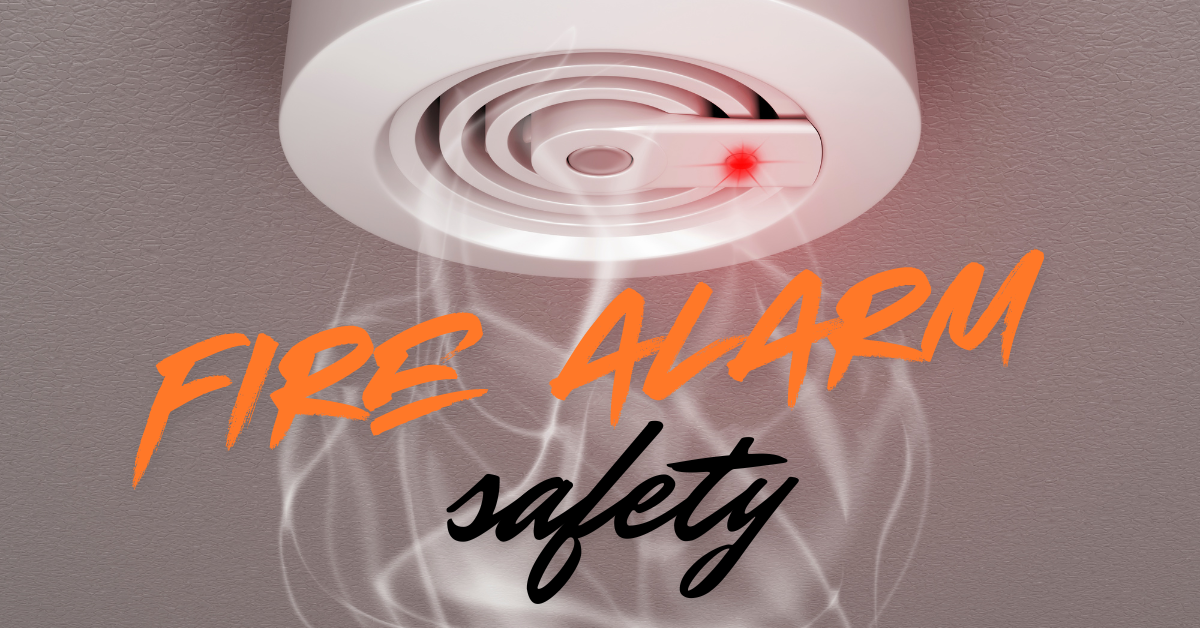
Smoke alarms are an essential yet often overlooked component of home safety. The National Fire Protection Association (NFPA) reports that three out of five home fire deaths occur in homes without working smoke alarms. This statistic alone underscores the critical role smoke alarms play in safeguarding lives and property. In this blog post, we'll delve into the importance of smoke alarms, offer guidelines on where to install them, discuss the different types available, provide resources on how to get assistance and provide tips on maintenance. By the end, you'll have all the information you need to ensure your home is adequately protected against fire hazards.
Smoke alarms serve as an early warning system, giving you and your family precious time to escape in the event of a fire. They are designed to detect smoke particles in the air and emit a loud alarm to alert occupants of potential danger. Here are a few key reasons why smoke alarms are indispensable:
For optimal safety, it's crucial to install smoke alarms in the right locations throughout your home. Here are some expert recommendations on where to place them:
While it's crucial to have smoke alarms strategically placed throughout your home, there are certain areas where installing them can lead to frequent false alarms or reduced effectiveness. Here are a few places to avoid:
By carefully selecting the placement of your smoke alarms and avoiding these common pitfalls, you can ensure they function effectively and provide maximum protection for your home and loved ones.

There are several types of smoke alarms available, each with unique features and benefits:
To ensure your smoke alarms function correctly, follow these maintenance tips:
Misconceptions about smoke alarms can lead to inadequate protection. Here are a few myths debunked:
Ensuring your home is equipped with properly functioning smoke alarms is recommended before selling. Not only do smoke alarms provide essential safety for current occupants, but they are also a selling point for potential buyers.
A home with up-to-date smoke alarms demonstrates a commitment to safety and compliance with local fire codes, enhancing the property's appeal.
Furthermore, many home inspectors and appraisers will check for the presence and condition of smoke alarms during their inspections. Failing to have adequate smoke alarms can delay the sale process or result in additional costs and negotiations.
By prioritizing the installation and maintenance of smoke alarms, sellers can provide peace of mind to buyers, ensuring a smoother transaction and a safer home environment.
If the cost of purchasing and installing smoke alarms is a concern, there are programs available to help. Many local fire departments and community organizations offer free smoke alarms and installation services, especially for low-income households, seniors, and residents with disabilities. Additionally, national programs often provide grants or subsidies to ensure that every home has adequate fire protection. Contact your local fire department or community safety organization to learn more about available resources and take advantage of these life-saving programs. Being proactive about smoke alarm installation can significantly enhance your home's safety without straining your budget.
Click here for more information and find out how to request a free smoke alarm.
Your safety and the safety of your loved ones depend on having a well-functioning smoke alarm system in your home. Don't wait until it's too late—check and update your smoke alarms today. Ensure they are properly installed, maintained, and ready to protect you at a moment's notice.
By following these guidelines and taking proactive steps, you can create a safer living environment for yourself and your family. Remember, smoke alarms are more than just devices—they are life-saving tools that provide critical protection against the .
For assistance with smoke alarm installation and other fire safety services, you can contact the fire departments in the following areas:
For further assistance, don't hesitate to reach out to these departments. They are ready to help ensure your home is protected and your family is safe.

As a REALTOR® with Berkshire Hathaway HomeServices Stouffer Realty, I’m passionate about helping clients make confident moves throughout Portage Lakes, Stow, and the greater Summit County ar....
Just Listed: Beautifully Renovated Home for Sale in Barberton, OhioIf you're searching for a move-in ready home in Barberton, Ohio, you'll want to take a look at my newest listing at 353 3rd St NW.
Most buyers walk into a home and immediately focus on what they can see — the kitchen, the layout, the finishes, and how the space feels.But what often matters more are the things you don;
Not every real estate contract goes smoothly — and that doesn’t always mean the deal is dead. The difference between a transaction that falls apart and one that closes often comes down
Not every repair adds value — but some overlooked details can complicate negotiations, delay a sale, or prevent a transaction from closing altogether. This guide explains what to fix, what to
 © MLS Now, INC - Northern Ohio Regional Multiple Listing Service All information deemed reliable but not guaranteed. All properties are subject to prior sale, change or withdrawal. Neither listing broker(s) or information provider(s) shall be responsible for any typographical errors, misinformation, misprints and shall be held totally harmless. Listing(s) information is provided for consumer's personal, non-commercial use and may not be used for any purpose other than to identify prospective
properties consumers may be interested in purchasing. The data relating to real estate for sale on this website comes in part from the Internet Data Exchange program of the Multiple Listing Service. Real estate listings held by brokerage firms other than Portage County Regional may be marked with the Internet Data Exchange logo and detailed information about those properties will include the name of the listing broker(s) when required by the MLS. Copyright ©2026 All rights reserved.
Last Updated: September 23, 2026 2:09 PM UTC
Show More...
© MLS Now, INC - Northern Ohio Regional Multiple Listing Service All information deemed reliable but not guaranteed. All properties are subject to prior sale, change or withdrawal. Neither listing broker(s) or information provider(s) shall be responsible for any typographical errors, misinformation, misprints and shall be held totally harmless. Listing(s) information is provided for consumer's personal, non-commercial use and may not be used for any purpose other than to identify prospective
properties consumers may be interested in purchasing. The data relating to real estate for sale on this website comes in part from the Internet Data Exchange program of the Multiple Listing Service. Real estate listings held by brokerage firms other than Portage County Regional may be marked with the Internet Data Exchange logo and detailed information about those properties will include the name of the listing broker(s) when required by the MLS. Copyright ©2026 All rights reserved.
Last Updated: September 23, 2026 2:09 PM UTC
Show More...
