
Just Listed: Beautifully Renovated Home for Sale in Barberton, OhioIf you're searching for a move-in ready home in Barberton, Ohio, you'll want to take a look at my newest listing at 353 3rd St NW.
Dated: March 4 2025
Views: 7503
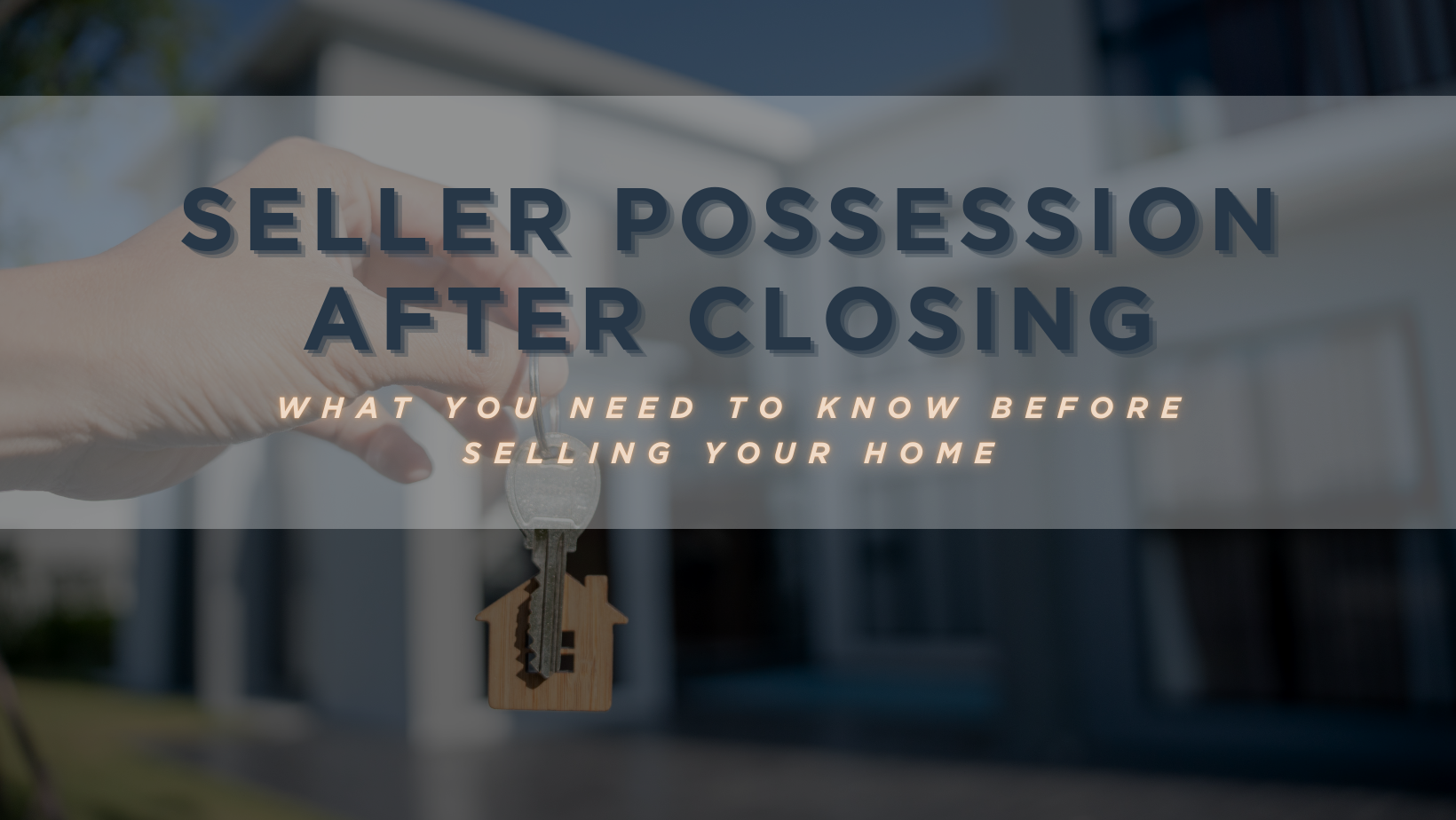
If you're planning to sell your home but won't be quite ready to move out immediately after the closing date, you might be wondering, Can I stay in my house after I sell it? The answer lies in the concept of possession after closing, which could be the perfect solution for your situation. This arrangement offers flexibility and peace of mind to sellers who need extra time to transition, while also requiring a clear understanding of how this process works. Check out my blog post that specifically addresses moving out after the sale of your home.
Here, we’ll walk you through what it means to have possession after closing, the scenarios where it makes sense, the responsibilities involved, and the types of markets where this arrangement works best.
Possession after closing happens when the home’s title officially transfers to the buyer at closing, but the seller stays in the home for an agreed-upon period of time. Essentially, once the real estate transaction is complete, the seller becomes a tenant of the new owner (the buyer).
The process is structured through a formal agreement—often called a seller's occupancy after title transfer or rent-back agreement—outlining all terms including the length of stay, any rent or fees, as well as the seller’s responsibilities while in the home.
While this isn't the most common setup in all transactions, it can be incredibly helpful in certain situations, such as selling your home during a divorce, where timing, communication, and occupancy may require additional coordination between both parties.
Life doesn’t always follow a perfect timeline, especially when you’re selling a home. Here are several reasons why sellers may request possession after closing:
This added flexibility can be a game changer, but it’s important that sellers fully understand the implications of becoming a tenant in a home they no longer own.
Once the sale closes and the buyer owns the property, you are no longer its homeowner—you are officially a tenant.
Possession after closing can provide tremendous peace of mind and flexibility for sellers navigating the complex timeline of buying and selling. However, becoming a tenant in the home you once owned does require careful planning and communication.
Thinking about selling your home but need extra time to transition? Contact Melissa Ritter today to learn more about how she can help you structure a possession-after-closing agreement that works for your unique situation.

As a REALTOR® with Berkshire Hathaway HomeServices Stouffer Realty, I’m passionate about helping clients make confident moves throughout Portage Lakes, Stow, and the greater Summit County ar....
Just Listed: Beautifully Renovated Home for Sale in Barberton, OhioIf you're searching for a move-in ready home in Barberton, Ohio, you'll want to take a look at my newest listing at 353 3rd St NW.
Most buyers walk into a home and immediately focus on what they can see — the kitchen, the layout, the finishes, and how the space feels.But what often matters more are the things you don;
Not every real estate contract goes smoothly — and that doesn’t always mean the deal is dead. The difference between a transaction that falls apart and one that closes often comes down
Not every repair adds value — but some overlooked details can complicate negotiations, delay a sale, or prevent a transaction from closing altogether. This guide explains what to fix, what to
 © MLS Now, INC - Northern Ohio Regional Multiple Listing Service All information deemed reliable but not guaranteed. All properties are subject to prior sale, change or withdrawal. Neither listing broker(s) or information provider(s) shall be responsible for any typographical errors, misinformation, misprints and shall be held totally harmless. Listing(s) information is provided for consumer's personal, non-commercial use and may not be used for any purpose other than to identify prospective
properties consumers may be interested in purchasing. The data relating to real estate for sale on this website comes in part from the Internet Data Exchange program of the Multiple Listing Service. Real estate listings held by brokerage firms other than Portage County Regional may be marked with the Internet Data Exchange logo and detailed information about those properties will include the name of the listing broker(s) when required by the MLS. Copyright ©2026 All rights reserved.
Last Updated: September 23, 2026 2:09 PM UTC
Show More...
© MLS Now, INC - Northern Ohio Regional Multiple Listing Service All information deemed reliable but not guaranteed. All properties are subject to prior sale, change or withdrawal. Neither listing broker(s) or information provider(s) shall be responsible for any typographical errors, misinformation, misprints and shall be held totally harmless. Listing(s) information is provided for consumer's personal, non-commercial use and may not be used for any purpose other than to identify prospective
properties consumers may be interested in purchasing. The data relating to real estate for sale on this website comes in part from the Internet Data Exchange program of the Multiple Listing Service. Real estate listings held by brokerage firms other than Portage County Regional may be marked with the Internet Data Exchange logo and detailed information about those properties will include the name of the listing broker(s) when required by the MLS. Copyright ©2026 All rights reserved.
Last Updated: September 23, 2026 2:09 PM UTC
Show More...
